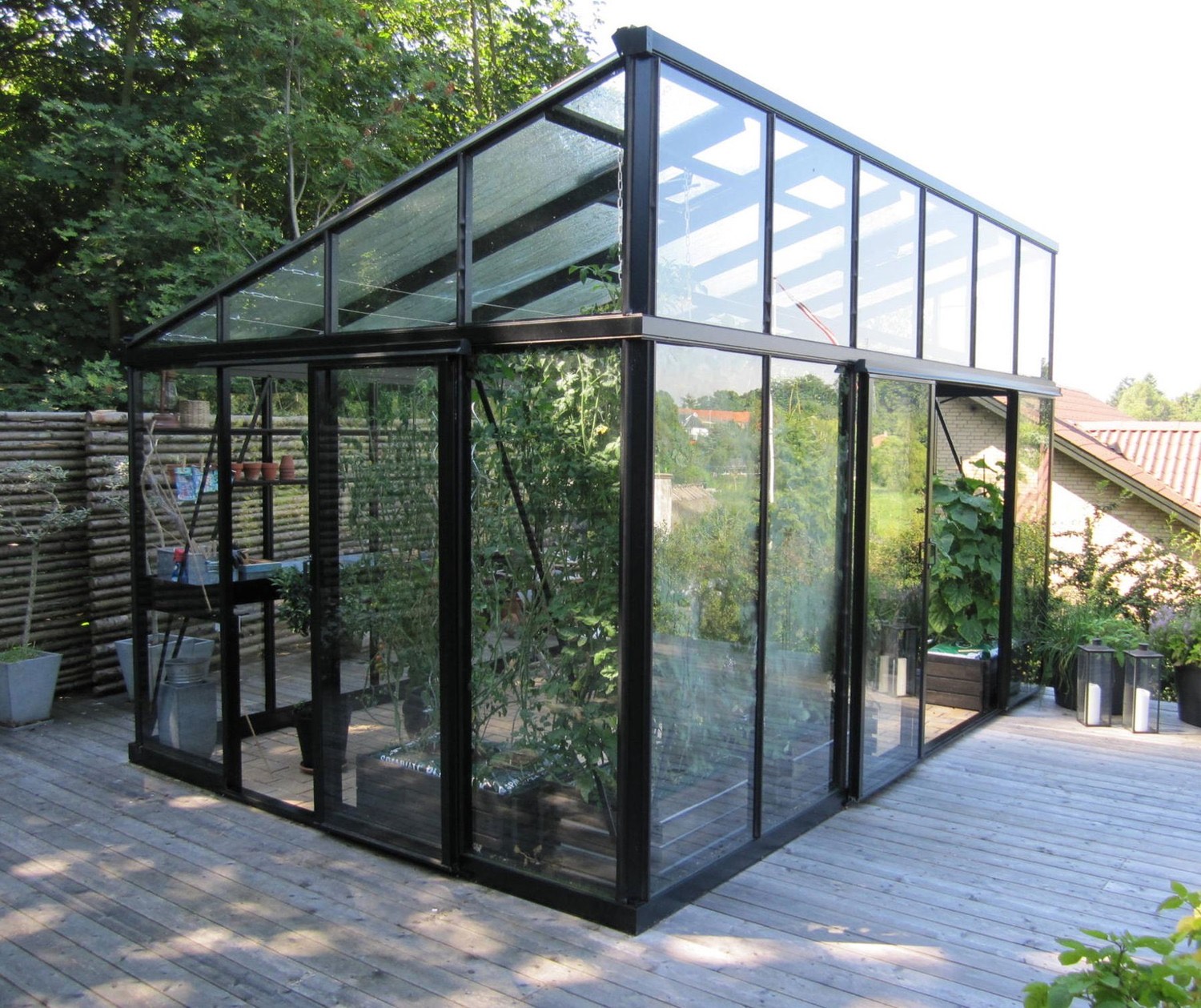
Selecting the perfect greenhouse transforms your gardening experience from seasonal limitations to year-round cultivation possibilities. Modern greenhouse technology offers unprecedented control over growing conditions, enabling gardeners to extend seasons, protect delicate plants, and maximize harvests regardless of climate challenges.
Recent studies show that home greenhouse gardening has increased by 35% over the past five years, with 78% of greenhouse owners reporting significantly improved plant yields compared to traditional outdoor gardening. This surge reflects growing interest in sustainable food production, climate-controlled growing environments, and the desire for fresh produce throughout the year.
Understanding greenhouse selection requires evaluating multiple factors that directly impact your gardening success. From structural materials and size considerations to ventilation systems and foundation requirements, each decision influences your greenhouse’s performance, durability, and suitability for your specific growing goals.
What Size Greenhouse Should I Choose?
Greenhouse sizing depends on available space, intended use, and future expansion plans. Small greenhouses (6×8 feet or 8×10 feet) accommodate starter plants, seed germination, and herb cultivation. These compact structures work well for urban gardens, balconies, or limited yard spaces.
Medium greenhouses (10×12 feet to 12×16 feet) provide sufficient room for diverse plant collections, including vegetables, flowers, and small fruit trees. These sizes support seasonal plant rotation, storage areas for tools and supplies, and comfortable working space for maintenance activities.
Large greenhouses (16×20 feet and beyond) enable commercial-scale growing, extensive plant collections, and specialized growing zones with different temperature and humidity requirements. Professional growers and serious hobbyists benefit from the flexibility and productivity these spacious structures offer.
Consider future needs when selecting greenhouse dimensions. Starting with a slightly larger structure than immediately necessary accommodates expanding interests, additional plant varieties, and evolving gardening techniques without requiring complete replacement.
Which Greenhouse Materials Offer the Best Value?
Aluminum framing provides excellent durability, corrosion resistance, and minimal maintenance requirements. These lightweight structures support various glazing options and offer superior longevity compared to other framing materials. Aluminum greenhouses maintain structural integrity through extreme weather conditions and resist warping, cracking, or deterioration.
Steel framing delivers maximum strength and stability for large greenhouse installations. Heavy-duty steel construction supports substantial snow loads, wind resistance, and extensive hanging plant systems. Galvanized steel coating prevents rust and extends structural lifespan significantly.
Wood framing creates attractive, natural-looking greenhouses that blend seamlessly with garden landscapes. Cedar and redwood offer natural rot resistance, while treated lumber provides budget-friendly alternatives. Wood structures require regular maintenance but offer excellent insulation properties and customization flexibility.
Glazing materials significantly impact greenhouse performance and cost. Polycarbonate panels provide superior insulation, impact resistance, and light diffusion compared to traditional glass. Twin-wall and triple-wall polycarbonate options offer varying levels of insulation efficiency and light transmission.
Glass glazing delivers optimal light transmission and professional appearance but requires careful handling and higher initial investment. Tempered glass provides safety benefits and durability for high-traffic greenhouse environments.
How Do I Determine Proper Greenhouse Ventilation?
Effective ventilation prevents overheating, controls humidity, and ensures adequate air circulation for healthy plant growth. Automatic vent openers respond to temperature changes without manual intervention, providing consistent climate control throughout varying weather conditions.
Roof vents should comprise approximately 20% of floor area for adequate air exchange. Side vents positioned at plant level create effective air circulation patterns when combined with roof ventilation systems. This combination establishes natural convection currents that maintain optimal growing conditions.
Exhaust fans and circulation fans supplement natural ventilation during extreme weather conditions or in tightly sealed greenhouse structures. Variable speed controls allow fine-tuning of airflow based on specific plant requirements and seasonal conditions.
Proper ventilation prevents common greenhouse problems including fungal diseases, pest infestations, and temperature extremes that stress plants and reduce productivity.
What Foundation Options Work Best for Greenhouses?
Concrete foundations provide maximum stability, longevity, and professional appearance. Poured concrete slabs offer level surfaces for benches, pathways, and heavy equipment while preventing weed growth and pest infiltration. These permanent foundations support large greenhouse structures and withstand extreme weather conditions.
Gravel foundations offer excellent drainage, easy installation, and cost-effectiveness for most greenhouse applications. Properly prepared gravel bases provide adequate stability while allowing natural drainage and easy access for utilities installation.
Treated lumber foundations combine affordability with adequate support for smaller greenhouse structures. Pressure-treated timbers resist rot and insect damage while providing secure anchor points for greenhouse framing systems.
Foundation preparation significantly impacts greenhouse performance and longevity. Proper excavation, leveling, and drainage ensure structural stability and prevent water-related problems that damage both foundation and greenhouse components.
Which Heating and Cooling Systems Maximize Efficiency?
Electric heating systems offer precise temperature control, clean operation, and easy installation for most greenhouse applications. Tubular heaters provide even heat distribution along greenhouse perimeters, while fan-forced heaters circulate warm air throughout growing areas.
Natural gas heating delivers cost-effective warmth for larger greenhouse installations. Gas heaters require professional installation and adequate ventilation but offer reliable, economical heating for extended growing seasons.
Solar heating systems reduce operating costs while providing environmentally sustainable temperature control. Thermal mass materials store solar energy during sunny periods and release heat gradually during cooler temperatures.
Cooling systems prevent overheating during warm weather and maintain optimal growing conditions. Evaporative cooling systems use water evaporation to reduce temperatures naturally and efficiently. Shade cloth systems filter intense sunlight while maintaining adequate light levels for photosynthesis.
Automated climate control systems monitor temperature, humidity, and ventilation conditions continuously, making adjustments to maintain preset growing parameters without constant manual intervention.
How Do I Plan for Greenhouse Utilities and Accessories?
Electrical systems power heating, cooling, ventilation, and lighting equipment essential for greenhouse operations. Plan electrical capacity based on anticipated equipment loads, including space for future additions and upgrades.
Water systems provide irrigation, misting, and cleaning capabilities necessary for plant care and greenhouse maintenance. Automated watering systems reduce labor requirements while ensuring consistent moisture delivery to all plants.
Benching and shelving systems maximize growing space utilization and improve plant organization. Adjustable bench heights accommodate different plant sizes and growth stages. Rolling benches increase space efficiency in larger greenhouse installations.
Tool storage, potting areas, and supply organization improve greenhouse functionality and workflow efficiency. Dedicated spaces for essential equipment reduce clutter and create more productive working environments.
What Climate Considerations Affect Greenhouse Selection?
Wind loads determine structural requirements and foundation specifications for greenhouse installations. Areas with high wind exposure require reinforced framing, secure anchoring systems, and impact-resistant glazing materials.
Snow loads influence roof design, framing strength, and support requirements. Heavy snow regions require steeper roof angles, stronger structural members, and adequate heating systems to prevent snow accumulation damage.
Temperature extremes affect insulation requirements, heating capacity, and ventilation specifications. Cold climates benefit from double-wall glazing, adequate heating systems, and draft prevention measures.
Humidity levels influence ventilation requirements and material selection. High humidity regions require enhanced air circulation, moisture-resistant materials, and adequate drainage systems.
Ready to Transform Your Garden?
Choosing the right greenhouse involves balancing size requirements, material preferences, climate considerations, and budget constraints to create an optimal growing environment. Successful greenhouse selection focuses on matching specific features with individual gardening goals and local growing conditions.
Consider starting with essential features and upgrading gradually as experience and needs develop. This approach allows learning greenhouse management techniques while building toward more sophisticated growing systems.
Research local building codes, permit requirements, and utility availability before finalizing greenhouse plans. Professional consultation may benefit complex installations or challenging site conditions.
Your greenhouse investment pays dividends through extended growing seasons, improved plant success rates, and year-round gardening satisfaction. Take time to evaluate all options thoroughly before making this important gardening decision.