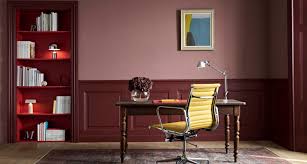
In the world of interior design, every detail carries the power to transform a space from ordinary to extraordinary. One such timeless feature that continues to enhance homes and establishments is the classic dado rail. Originally introduced centuries ago for practical purposes, dado rails have evolved into elegant design elements that not only protect walls but also contribute to a refined aesthetic.
Dado rails, also known as chair rails, were historically installed to shield walls from damage caused by furniture. Over time, however, they became an integral part of decorative schemes, celebrated for their ability to divide wall surfaces and add architectural interest. Today, they are embraced by designers and homeowners alike for their versatility and classic charm.
One of the most appealing qualities of dado rails lies in their ability to create proportion and balance within a room. By visually breaking up the height of the wall, they can alter the perception of space, making ceilings appear higher or lower depending on placement. This architectural division allows for creative expression through the use of different colors, textures, or wall treatments above and below the rail. For instance, a bold wallpaper paired with a calm neutral paint beneath the dado rail can achieve both vibrancy and harmony within the same setting.
The elegance of dado rails also lies in their adaptability. Whether incorporated into a traditional home filled with period details or introduced into a contemporary environment for a subtle nod to heritage, they enhance the design without overpowering it. In classical interiors, they often complement wainscoting or paneling, while in modern spaces they can be left simple and understated, providing just enough definition to elevate the walls.
Functionality remains another valuable aspect of dado rails. In hallways, dining rooms, or other high-traffic areas, they protect the wall surface from everyday wear while simultaneously offering decorative appeal. This combination of practicality and beauty makes them a sought-after feature that bridges the gap between utility and style.
When thoughtfully incorporated, dado rails can also serve as a guide for furniture placement and artwork arrangement. By creating a clear horizontal line across the room, they provide a visual anchor that enhances symmetry and cohesion. Designers often use this feature to draw the eye around the space, encouraging flow and continuity.
The enduring popularity of dado rails highlights their ability to adapt to evolving design trends. While many contemporary interiors lean towards minimalism, dado rails remain a subtle way to introduce character without overwhelming the space. Their presence signals an attention to craftsmanship and an appreciation for architectural detail that elevates the overall atmosphere of a home.
In essence, dado rails are more than just a decorative strip of molding; they are a design statement that reflects timeless elegance and thoughtful functionality. By balancing heritage with modern appeal, they continue to hold their place as a cherished feature in interiors. For anyone looking to enrich their walls and infuse their space with refined character, classic dado rails remain an exceptional choice that gracefully stands the test of time.