

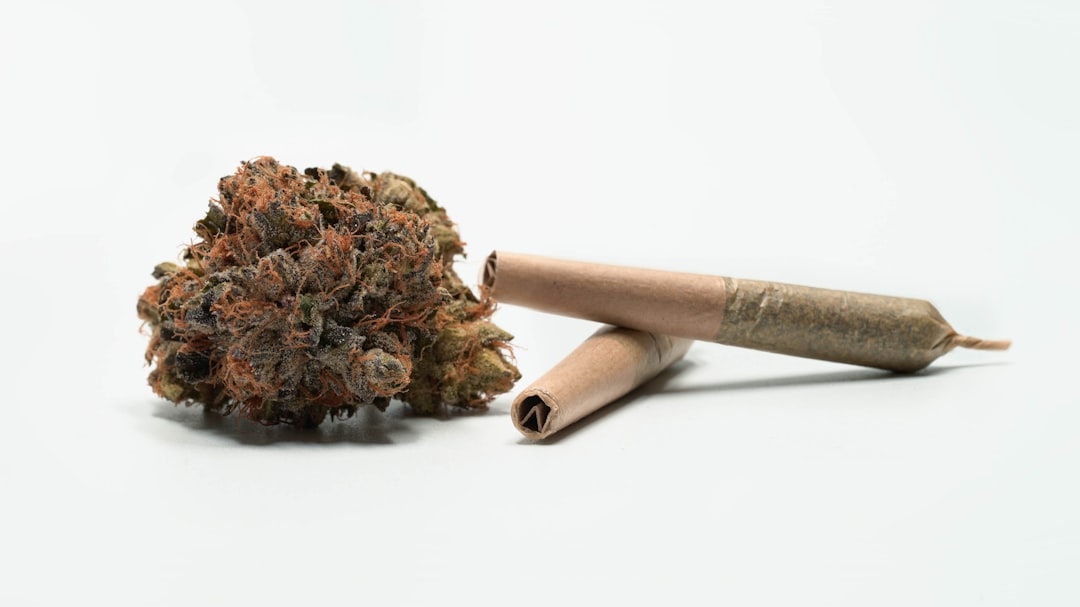
Cannabis prices can vary considerably depending on product type, quantity, potency, production, packaging, and local market conditions. Cheap Weed Canada is a topic that can be better understood by examining the different factors that influence retail costs. For adults who legally purchase cannabis, understanding these factors can make price comparisons more meaningful and encourage decisions based on overall product value rather than cost alone.
Table of Contents
- Product Type and Format
- Quantity and Package Size
- THC and CBD Content
- Production and Processing
- Packaging and Labeling
- Taxes and Regulations
- Supply and Demand
- Legal Purchasing Considerations
- Comparing Overall Value
- Final Thoughts
Product Type and Format
One of the most important factors affecting cannabis prices is product format. Dried cannabis, oils, edibles, beverages, and other regulated products require different production and packaging processes.
Dried cannabis is commonly priced according to weight, while other products may be priced according to serving size, volume, or cannabinoid content. Because of these differences, comparing the prices of completely different product categories may not provide an accurate picture of value.
Consumers can make better comparisons by considering products with similar formats and quantities.
Quantity and Package Size
The amount of cannabis included in a package naturally influences its overall price. Smaller packages may have a lower total cost, while larger quantities can have a different price structure.
Consumers should therefore check the amount included before comparing prices. A product with a lower package price may contain considerably less product than another option.
Looking at quantity alongside price provides a more useful understanding of the actual value being offered.
THC and CBD Content
Cannabinoid content can also affect how cannabis products are priced and compared. THC is associated with intoxicating effects, while CBD does not produce the same type of intoxication.
Different products can contain varying concentrations of THC and CBD. Consumers should examine the label to determine the amount per serving and the total amount in the package.
A product with a higher cannabinoid concentration is not automatically a better choice. Consumers should consider whether its characteristics are appropriate for their individual circumstances.
Production and Processing
The way a cannabis product is produced can influence its final retail cost. Some products require additional processing, formulation, extraction, or preparation before they are packaged.
Edibles and beverages, for example, involve additional formulation compared with basic dried products. Oils may also require specific processing and packaging considerations.
These differences in production can contribute to variations in pricing between product categories.
Packaging and Labeling
Cannabis products sold through regulated channels require appropriate packaging and labeling. Packaging may provide information about cannabinoids, ingredients, serving sizes, warnings, and storage requirements.
These requirements contribute to the overall process involved in bringing a product to consumers. At the same time, clear labeling gives consumers useful information for comparing products and understanding their contents.
Taxes and Regulations
Taxes and regulatory requirements can contribute to the final retail price of cannabis products. Canada has a regulated cannabis framework, while provinces and territories may have additional requirements affecting retail operations.
Because regulations and applicable costs can vary by location, consumers may notice differences in product pricing between different areas.
Understanding that the final price includes more than production costs can help explain some variations.
Supply and Demand
Market conditions can also influence cannabis prices. Product availability, consumer demand, inventory levels, and seasonal purchasing patterns may contribute to price differences.
When a particular product becomes more widely available, pricing may change. Similarly, products with greater demand may experience different pricing from less frequently purchased options.
These market factors can cause prices to change over time.
Legal Purchasing Considerations
Adults should purchase cannabis through authorized channels where it is legally available. Online availability does not automatically mean that a particular source is authorized or that its products meet applicable standards.
Consumers should understand the rules that apply in their province or territory, including requirements related to age, purchasing, possession, and delivery.
Comparing Overall Value
The lowest price does not necessarily represent the best value. Consumers can compare cost alongside quantity, product format, cannabinoid content, ingredients, labeling, and regulatory information.
A slightly more expensive product may provide characteristics that better match an individual’s preferences. Taking several factors into account can result in a more balanced purchasing decision.
Final Thoughts
Cannabis prices are influenced by many factors, including product format, quantity, cannabinoid content, production, packaging, taxes, regulations, and market conditions. Cheap Weed Canada is therefore best understood as a topic involving overall value rather than simply finding the lowest price. Adults who legally use cannabis can make more informed choices by comparing regulated products carefully, reviewing labels, understanding pricing factors, and following applicable Canadian and provincial requirements.
Key Takeaways
- Cannabis prices vary significantly based on product type, quantity, potency, production, packaging, and local market conditions.
- Dried cannabis is typically priced by weight, while other formats such as edibles and oils may be priced by serving size or volume.
- The concentration of cannabinoids like THC and CBD influences cannabis pricing, and consumers should evaluate these levels for individual suitability.
- Additional processing and packaging requirements for certain cannabis products, such as edibles and oils, can lead to higher retail prices compared to basic dried products.
- Taxes and regulations can affect the retail price of cannabis, with variations depending on local laws and market conditions.
- Consumers should evaluate the overall value of cannabis products by considering multiple factors, including price, quantity, format, and cannabinoid content.